
Why Some Kids Melt Down After School (And How to Help)
Your child walks through the door and within minutes, sometimes even seconds, everything falls apart. Tears over a snack choice. A full meltdown because their sock feels wrong. You haven’t even said hello to one another yet.
If this sounds a little too familiar, you’re not dealing with a bad kid or a discipline problem. You’re dealing with an exhausted nervous system doing exactly what it was designed to do. Consider this a guide for parents wondering why the hardest hour is 3pm.
The Pressure Cooker of the School Day
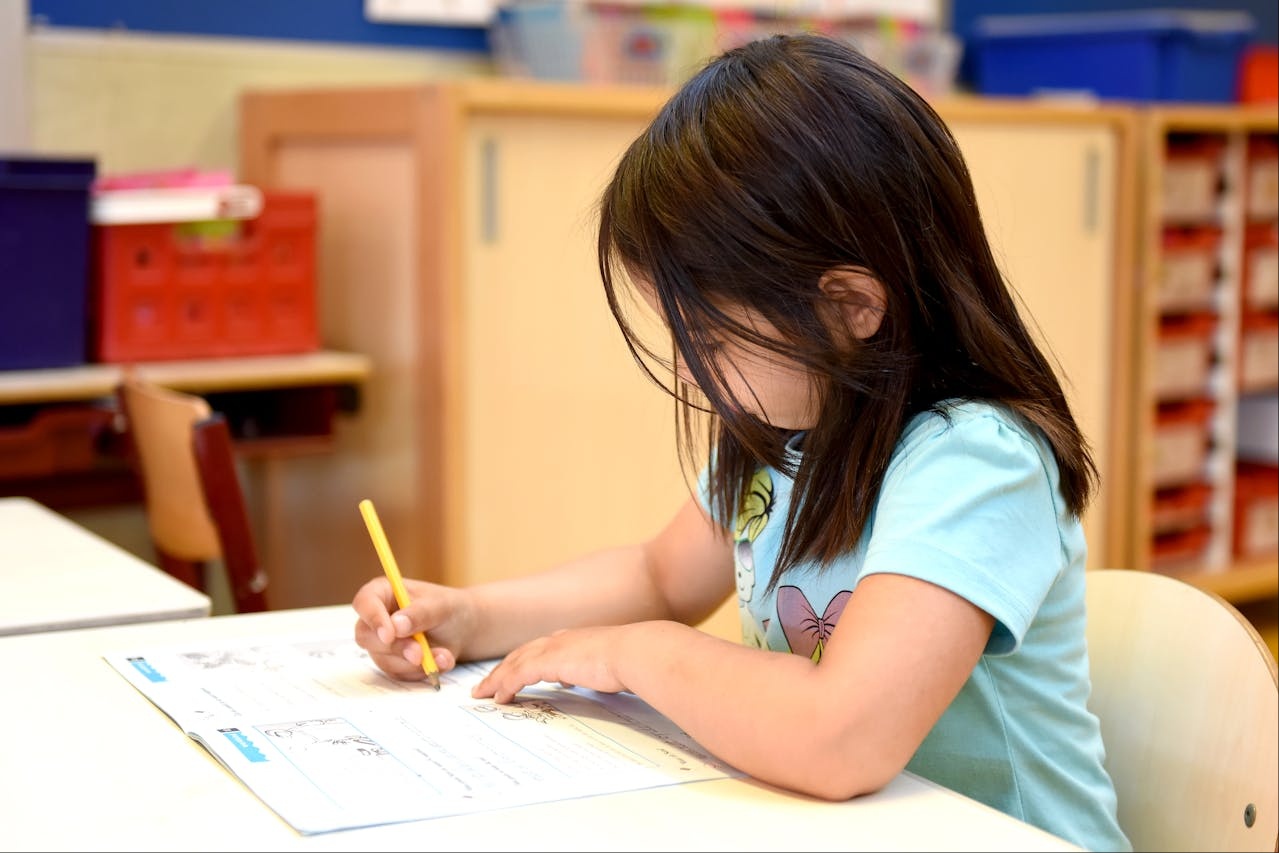
School asks a tremendous amount of children. For six or seven hours, they are expected to sit still, follow directions, manage conflicts with peers, regulate their emotions, focus on tasks that aren’t always interesting, and generally hold it together in front of teachers and classmates. That’s an enormous cognitive and emotional load, especially for younger kids whose self-regulation systems are still developing.
Many children do a remarkable job of keeping it together all day long. The meltdown at home isn’t a failure. It’s the release valve finally opening. This phenomenon is often known as the after-school restraint collapse, where kids who behaved well all day fall apart the moment they feel truly safe. Home, and you, are where they feel safe enough to let it all go.
It’s Actually a Sign of Trust
As maddening as it is in the moment, your child’s meltdowns at home often signal something healthy: they trust you. You are their safe person. The mask comes off, the armor comes down, and all of the stress they’ve been carrying gets handed to the one person they know will still love them at the end of it.
That doesn’t make it easy to manage. But reframing it from: why are they acting out? to: why do they feel safe enough to fall apart here? can shift how you respond in those heated moments.
What’s Going On in Their Body
When kids hold stress all day, cortisol, the stress hormone, builds up. Blood sugar drops by the afternoon. Sensory systems get overloaded from the noise of a cafeteria, fluorescent lights, and the physical closeness of 25 other children. By the time the school bell rings, many kids are running on empty, overstimulated, and operating from the more reactive, emotional part of their brain rather than the logical, regulated part.
For kids with anxiety, ADHD, sensory sensitivities, or trauma histories, this is even more pronounced. But it affects neurotypical kids too, especially after big days, tests, social conflicts, or transitions.
Strategies that Help
There’s no magic fix, but a few consistent approaches can make a real difference.
Give them a landing buffer.
Avoid questions, demands, or screens for the first 15–20 minutes. Let them decompress with a snack and low-stimulation time.
Lead with connection, not correction.
A hug, quiet presence, or saying you’re glad they’re home goes further than asking what happened.
Offer a predictable after-school rhythm.
Knowing what comes next reduces the cognitive load of transitions.
Watch for hunger and thirst.
Blood sugar crashes are real and affect regulation fast. A protein-rich snack can shift things noticeably.
Name it without shame.
Letting your child know that you can see that it looks like they’ve had a long day and their feelings are valid helps kids feel understood instead of embarrassed.
Next Steps
Remember, the after-school meltdown phase doesn’t last forever. As kids develop more emotional vocabulary, coping tools, and trust in their own regulation, the crashes tend to become less intense and less frequent. Your steady, patient presence through it is doing more than it might feel like in the moment.
If after-school meltdowns are becoming a daily struggle affecting your family’s well-being, or if you suspect anxiety, sensory processing differences, or other factors at play, reaching out with a child therapist can offer personalized strategies and real relief.