Parenting a Child with PTSD: A Guide to Care and Connection
Children process and express trauma differently from adults. While we often associate PTSD with veterans or survivors of violence, children can also develop PTSD from accidents, medical procedures, natural disasters, abuse, or witnessing frightening events. Even experiences that seem manageable to adults can be overwhelming for a child’s developing nervous system.
Research in neurobiology demonstrates that trauma fundamentally changes how children’s brains develop and process information. When children experience trauma, their stress response systems can become overactive, making them feel unsafe even in secure environments. This isn’t a choice or a behavioral problem; it’s their nervous system trying to provide protection.
Recognizing PTSD Symptoms in Your Child
PTSD symptoms in children vary by age and developmental stage. Children under six might show regression in previously mastered skills like toilet training, increased clinginess, or unconsciously reenact aspects of the trauma through play. They may have nightmares or develop new fears that seem unrelated to the original trauma.
School-age children might experience intrusive thoughts about the event, avoid reminders of the trauma, or struggle with concentration at school. You might notice increased irritability, angry outbursts, or physical complaints like headaches and stomachaches. Some children become hypervigilant, constantly scanning for danger, while others act emotionally numb or disconnected.
Adolescent PTSD may resemble adult symptoms, with flashbacks, emotional numbing, or risky behaviors. They might struggle with feelings of guilt or shame, withdraw from friends and activities, or experience significant changes in their worldview and sense of safety.
Creating Safety Through Connection
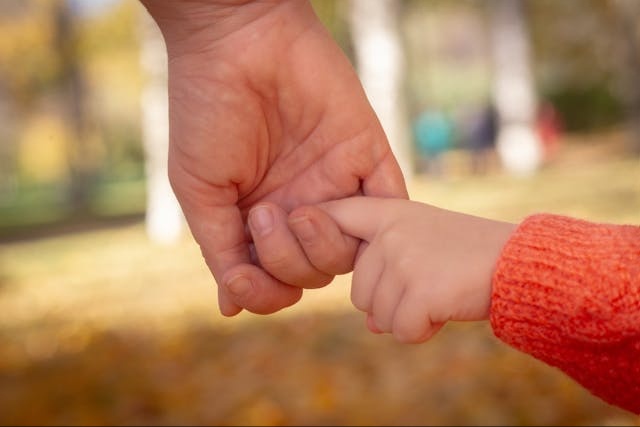
Current attachment research emphasizes that relationships are the foundation of healing. Your presence and attunement to your child’s needs create the safety necessary for trauma recovery. This doesn’t mean you need to be perfect; it means being present, consistent, and responsive to your child’s emotional states.
When struggling with PTSD symptoms, they need to know you’re a safe harbor. This involves maintaining predictable routines, speaking in calm tones even when behaviors are challenging, and helping them understand that their feelings make sense given what they’ve experienced. Your regulated nervous system helps regulate theirs, a process experts call co-regulation.
Supporting Your Child at Home
While professional therapy is often essential, your daily interactions are equally important for healing. Help your child identify and express emotions by naming feelings when you see them: “I notice your body looks tense. Are you feeling worried?” This validation helps children understand their internal experiences and feel less alone.
Establish consistent routines. Trauma disrupts a child’s sense of safety and control, so knowing what to expect throughout the day provides crucial stability. Include calming activities in your routine, such as reading together or listening to soothing music before bed.
When trauma reminders trigger your child, stay close and offer comfort without forcing discussion. Sometimes a gentle touch, sitting nearby, or offering a favorite stuffed animal communicates safety better than words. Remember that behaviors like tantrums, aggression, or withdrawal are often trauma responses, not deliberate defiance.
The Importance of Parent Collaboration
We believe parents are essential partners in their child’s healing journey. You know your child better than anyone and can provide invaluable insights about their triggers, strengths, and progress. In our collaborative approach, we work together to develop strategies that work for your specific family situation.
This might involve teaching you techniques to help calm your child during flashbacks, developing safety plans for managing triggers, or processing your own emotions about your child’s trauma. Many parents experience secondary trauma from witnessing their child’s pain, and addressing your own needs strengthens your ability to support your child.
At Fox Child Therapy, we use play therapy as a primary intervention for children with PTSD because play is children’s natural language. Through play, children can safely express and process experiences that might be too overwhelming to discuss directly. Children can explore traumatic experiences at their own pace in the therapy playroom, with the therapist providing safety and support throughout the process. Book a consultation with us to learn more.