

How Parents Are Involved in Play Therapy
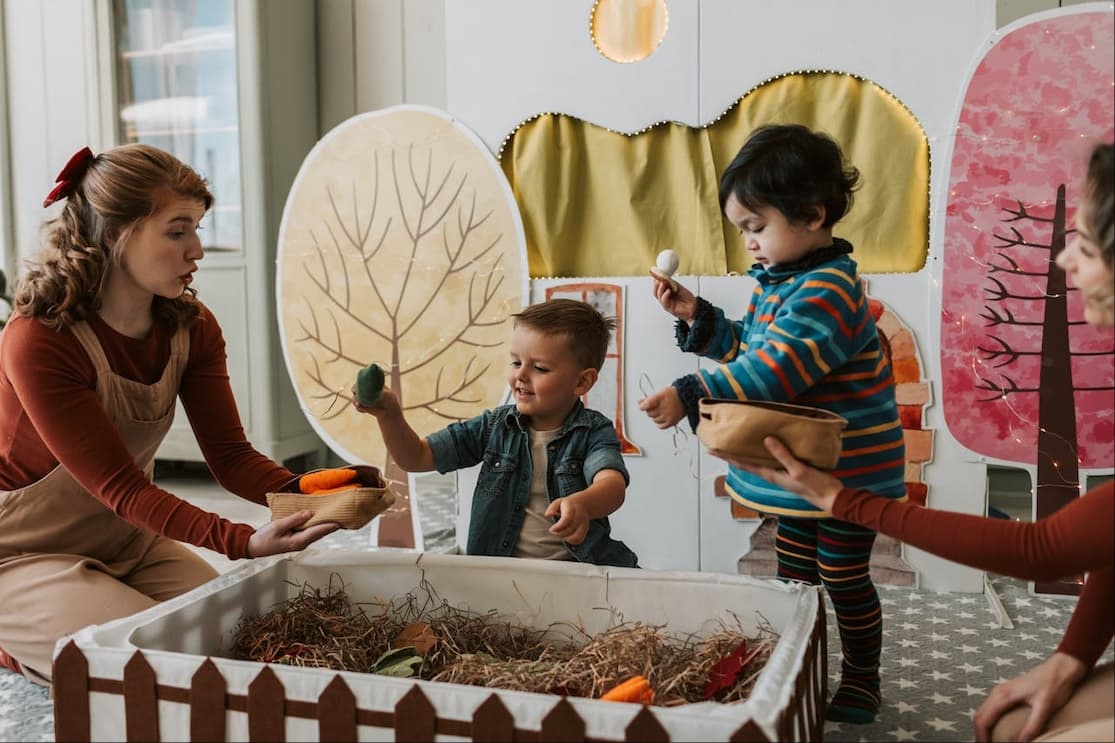
When a child begins play therapy, many parents wonder what their role will be. Will they sit in sessions? Get updates? Be expected to do therapy at home? Play therapy is designed primarily for children, but parents play an essential role in the process. While the work may look child-centered, meaningful progress often depends on thoughtful, supportive parental involvement.
Why Play Therapy Focuses on the Child
Play therapy uses play as a child’s natural language. Through toys, games, art, and imagination, children express emotions and experiences they may not yet have the words to explain. The therapy room becomes a safe, consistent space where children can explore feelings, work through challenges, and practice new coping skills. Because of this, most play therapy sessions are held one-on-one between the child and the therapist. This helps build trust, emotional safety, and a sense of autonomy for the child.
But this doesn’t necessarily mean parents are excluded from the process.
What Parental Involvement Usually Looks Like
Parents are typically involved in play therapy through regular check-ins, goal setting, and collaboration with the therapist. At the beginning of treatment, parents often provide background information about their child’s development, behavior, family dynamics, and current concerns. This context helps the therapist tailor sessions to the child’s needs.
Throughout therapy, parents may meet periodically with the therapist to discuss themes emerging in play, progress toward goals, and ways to support their child outside of sessions. These conversations focus on patterns rather than specific play details, protecting the child’s sense of privacy and safety.
Learning How to Support Your Child at Home
One of the most valuable aspects of parental involvement is learning how to respond to your child in ways that reinforce emotional growth. Therapists may offer guidance on communication, emotional validation, boundaries, or routines that support regulation and security.
This doesn’t mean parents are expected to analyze play or recreate therapy sessions at home. Instead, the focus is on helping parents better understand their child’s emotional world and respond with consistency and empathy. Small shifts in how emotions are handled at home can significantly strengthen the impact of play therapy.
When Parents Are More Directly Involved
In some cases, parents may be more actively involved through specific play-based approaches that include parent-child sessions. These models focus on strengthening the attachment relationship, improving communication, and helping parents feel more confident in responding to emotional needs.
Even in these situations, the therapist guides the process carefully. Parents are supported, not judged, and the goal is collaboration rather than perfection. Play therapy recognizes that caregivers are doing the best they can with the tools they have and aims to expand those tools.
Addressing Common Parent Concerns
It’s common for parents to feel anxious or unsure during their child’s therapy. You might worry about what your child is sharing, whether you’re doing something wrong, or how long therapy will take. A good play therapist welcomes these concerns and views parents as partners in the process. Open communication helps build trust and clarity.
When parents feel supported and informed, children often feel more secure as well. That sense of safety allows therapeutic work to deepen and progress more naturally.
Healing Happens in Relationships
While play therapy happens in the therapy room, healing extends beyond it. Children practice emotional expression, regulation, and problem-solving during sessions, but they solidify these skills in their everyday relationships. Parents play a central role in that transfer. By staying engaged, curious, and open to guidance, parents help create an environment where their child’s growth can continue between sessions. Play-focused therapy becomes not just a treatment, but part of a broader system of support.
If you’re considering play therapy for your child or are already involved in the process, working with a therapist who values parent collaboration can help support your child’s emotional development and strengthen your family’s connection and resilience. Reach out to us to learn more.