

Five Ways to Help your Child Adjust to Their First Year of School
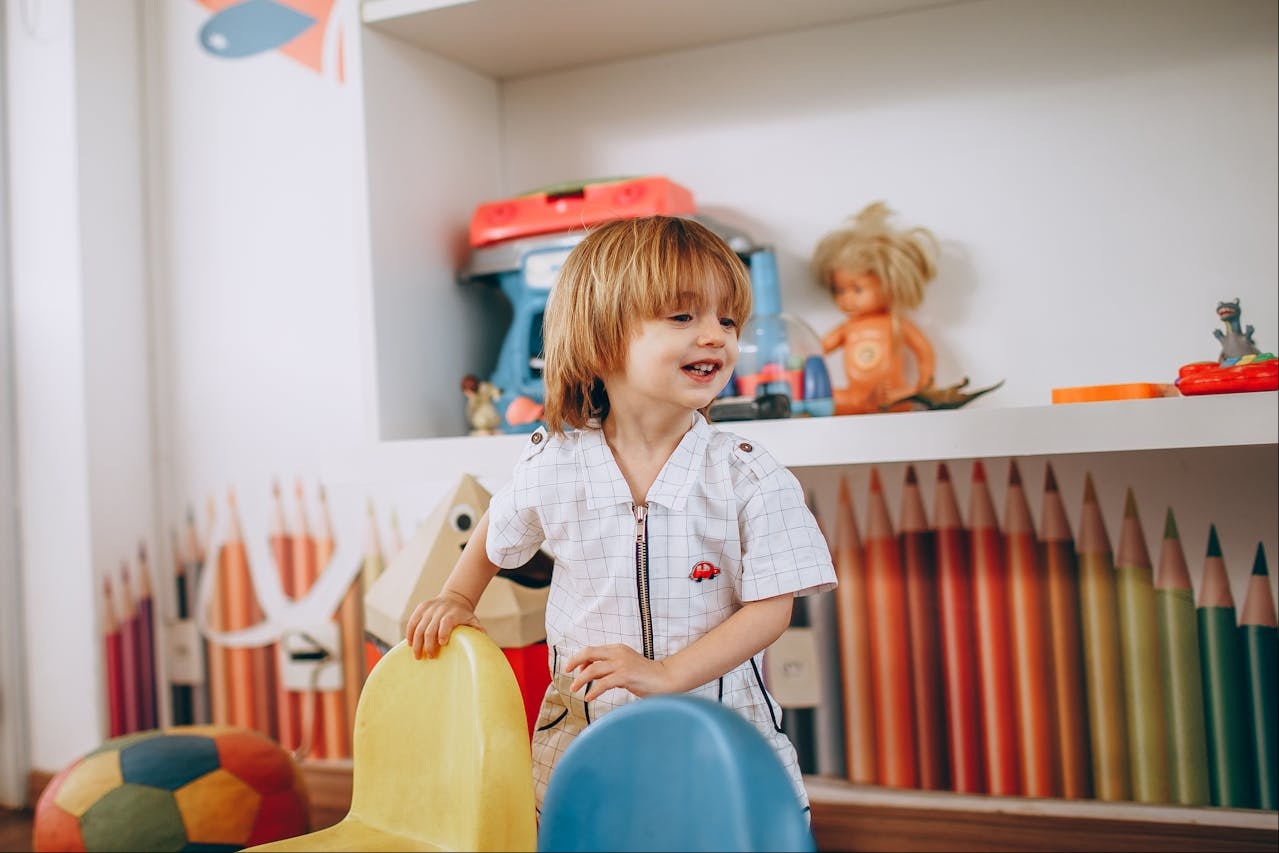
Starting school for the first time is a huge transition for a young child. For many, it means leaving the familiar comfort of home for the first time and stepping into an unknown new world. Some children take to it quickly. Others need more time and support.
Parents play a powerful role in how smoothly that transition unfolds. Here are five ways to help your child adjust to their first year of school.
1. Start Talking About It Early
Children handle transitions better when they don’t feel surprised. In the weeks before school begins, talk about what they’ll experience. Describe what the classroom will be like, who will be there, and the activities they may do. Talk about lunchtime or snack time, and let them know how they’ll know when it’s time to go home.
If your child expresses worry, take it seriously and validate it without amplifying it. Reassure them that new experiences can make them feel nervous but you think they’re going to find things they really enjoy. Doing so helps acknowledge their feelings while offering a steady and hopeful perspective.
2. Build Routine Before School Starts
One of the most disorienting parts of starting school is the sudden shift in daily rhythm. Sleep schedules, mealtimes, and morning routines that worked fine before may be completely incompatible with school day demands. Shifting toward the school schedule a week or two before the first day can significantly reduce this adjustment shock.
Practice your new morning routine together. Walk or drive the route to school if possible. Visit the school playground when it’s open. Familiarity with the physical environment and the daily rhythm before the first day actually approaches reduces the number of unknowns a child has to process all at once.
3. Create a Goodbye Ritual
For many young children, the hardest moment of the school day is the separation at drop-off. A consistent and warm but brief goodbye ritual can make that moment far more manageable. It gives the child something predictable to hold onto when everything else feels new.
This might be a special handshake or hug along with a specific phrase you always say. What matters most is consistency. Do the same thing every morning so your child knows exactly what to expect, and follow through with when and how you’ll see them again. Children who trust that their parent will come back when promised adjust to separation far more readily than those who feel uncertain.
4. Stay Curious
After school, resist the urge to lead with “How was your day?” Instead, try asking more specific and imaginative questions. These help open doors rather than close them. They allow your child to rethink their day and provide feedback that you may not have received otherwise. They signal that you’re genuinely interested in the details of their world, not just the headline. And they give you real information about how your child is adjusting, what’s going well, and where they might need extra support.
5. Normalize the Adjustment Period
Some children love school immediately. Many take weeks to fully settle. Resist comparing your child’s adjustment timeline to siblings, cousins, friends, or classmates. What a child needs most during this period is the sense that their feelings are valid and that the adults in their life aren’t alarmed by their struggle.
Supporting Your Child Through the Transition
Starting school is a big emotional adjustment, not just a milestone to “get through.” Many children need time and steady support as they settle into a new environment and rhythm. What helps most is ensuing that they feel safe while knowing the adults around them are calm and attuned to what they need.
Child therapy during the transition to school can offer additional support, especially if your child shows signs of ongoing anxiety. Reaching out early can help children feel more confident as they navigate this new chapter.