Developmental Milestones vs. Red Flags: When to Seek Support
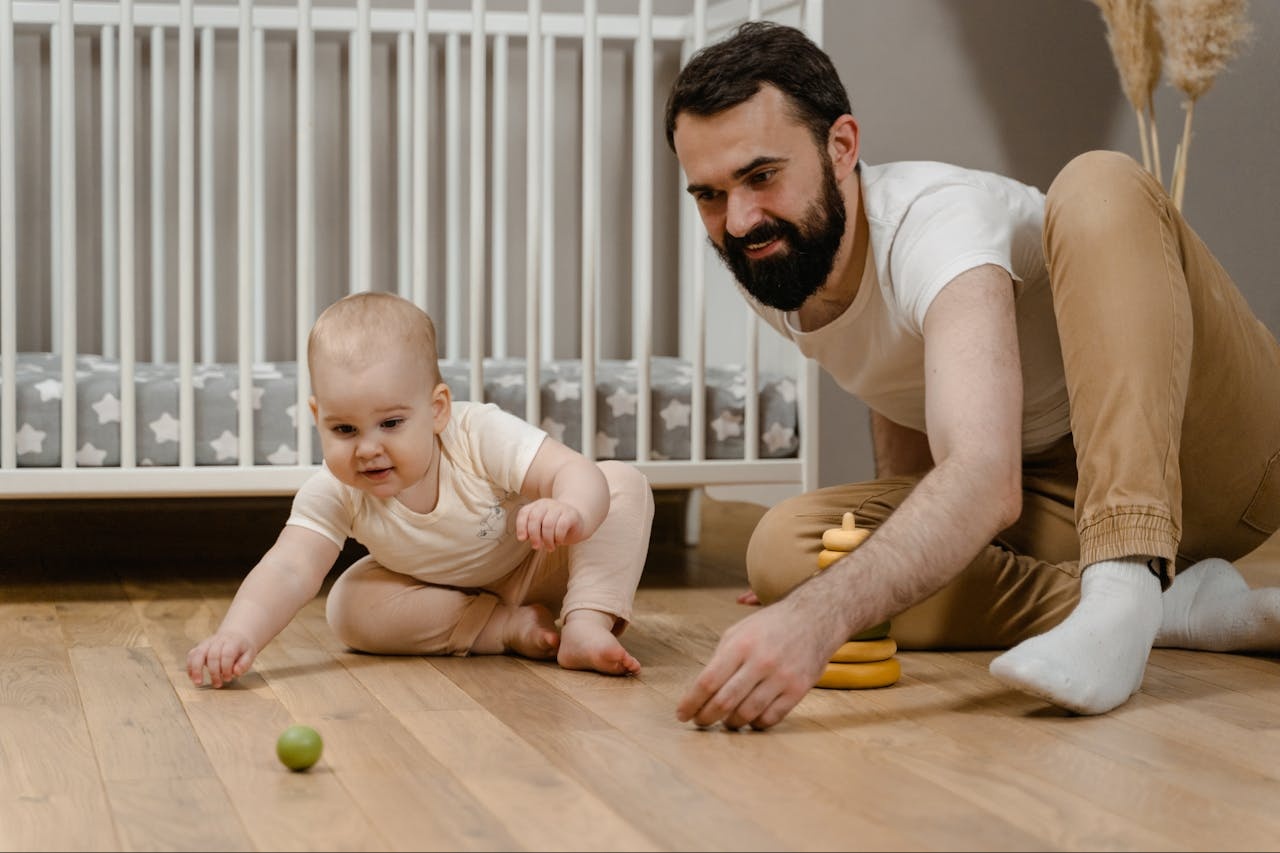
Every parent has Googled something like “Is this normal?” at 2 a.m. Whether it’s speech, behavior, emotions, or social skills, comparing your child to milestone charts can quickly turn reassurance into anxiety.
The truth is, development isn’t a straight line, and not every delay is a problem. However, there are times when it’s worth paying closer attention to certain patterns.
Understanding the difference between developmental milestones and red flags can help you know when to wait, when to watch, and when to seek extra support.
What Developmental Milestones Really Mean
Developmental milestones are general guidelines for skills most children develop within a certain age range. They cover areas like:
- Language and communication
- Motor skills
- Social interaction
- Emotional regulation
- Cognitive development
The keyword here is range. Children develop at different rates, depending on their temperament, environment, culture, and life experiences. One child might walk at 10 months, another at 15, and both can be completely typical. Missing a single milestone doesn’t automatically signal a problem. It’s the overall pattern and consistency that matter most.
Common Areas Where Variations Are Normal
Some differences that often fall within typical development include a child walking later while showing strong language skills, or talking early but taking longer to develop emotional regulation. Shyness in new situations and temporary regressions during major life changes, such as the arrival of a new sibling, a move, or a school transition, are also common. These variations usually improve with time, support, and maturity, as growth tends to happen in bursts rather than in steady, predictable steps
When Delays Become Red Flags
Red flags aren’t about one missed skill; they’re about persistent difficulties, loss of previously learned skills, or challenges that significantly impact daily life. Some examples that may warrant extra attention include:
- No meaningful words by 18 months
- Limited eye contact or social engagement
- Not responding to name consistently
- Aggressive or unsafe behavior that doesn’t improve with guidance
- Frequent, intense emotional outbursts beyond what’s typical for age
- Trouble forming relationships with peers
Another important red flag is regression, or when a child loses skills they once had, such as speech or social interaction.
Emotional and Behavioral Red Flags Often Overlooked
Not all red flags are obvious delays. Some show up emotionally or behaviorally, especially in older children. Watch for patterns like:
- Persistent anxiety or excessive worry
- Avoidance of school or social situations
- Difficulty calming down without adult intervention
- Big reactions to small stressors
- Withdrawal, sadness, or low self-esteem
If these behaviors interfere with learning, relationships, or family life, they deserve attention, even if your child is meeting academic milestones.
Trust Patterns, Not Comparisons
It’s tempting to compare your child to siblings, classmates, or social media highlight reels. But development should be viewed through the lens of your child’s baseline. Ask yourself:
- Is this improving over time?
- Does this affect daily functioning?
- Does my child seem distressed or frustrated?
Parental intuition matters too. You know your child, and when something feels not quite right. You don’t need to prove a concern before seeking guidance.
What Seeking Support Looks Like
Seeking support doesn’t mean labeling your child or assuming the worst. More often, it’s about gaining clarity, learning practical tools to better support your child, and reducing stress at home. By addressing concerns early, families can prevent small challenges from becoming bigger ones. Early support can make a meaningful difference, and in many cases, short-term intervention is all that’s needed.
When Therapy Can Help
Therapists trained in child development can assess emotional, behavioral, and social patterns while supporting both children and caregivers. Therapy can help kids:
- Build emotional regulation skills
- Improve communication
- Manage anxiety or frustration
- Strengthen social skills
If you’re feeling unsure, concerned, or stuck in the cycle of wait and see, reaching out to a mental health professional can provide clarity and peace of mind. Getting support isn’t an overreaction; it’s an investment in your child’s well-being and your family’s long-term resilience.