

Mindfulness for Children: Teaching Calm in a Busy World
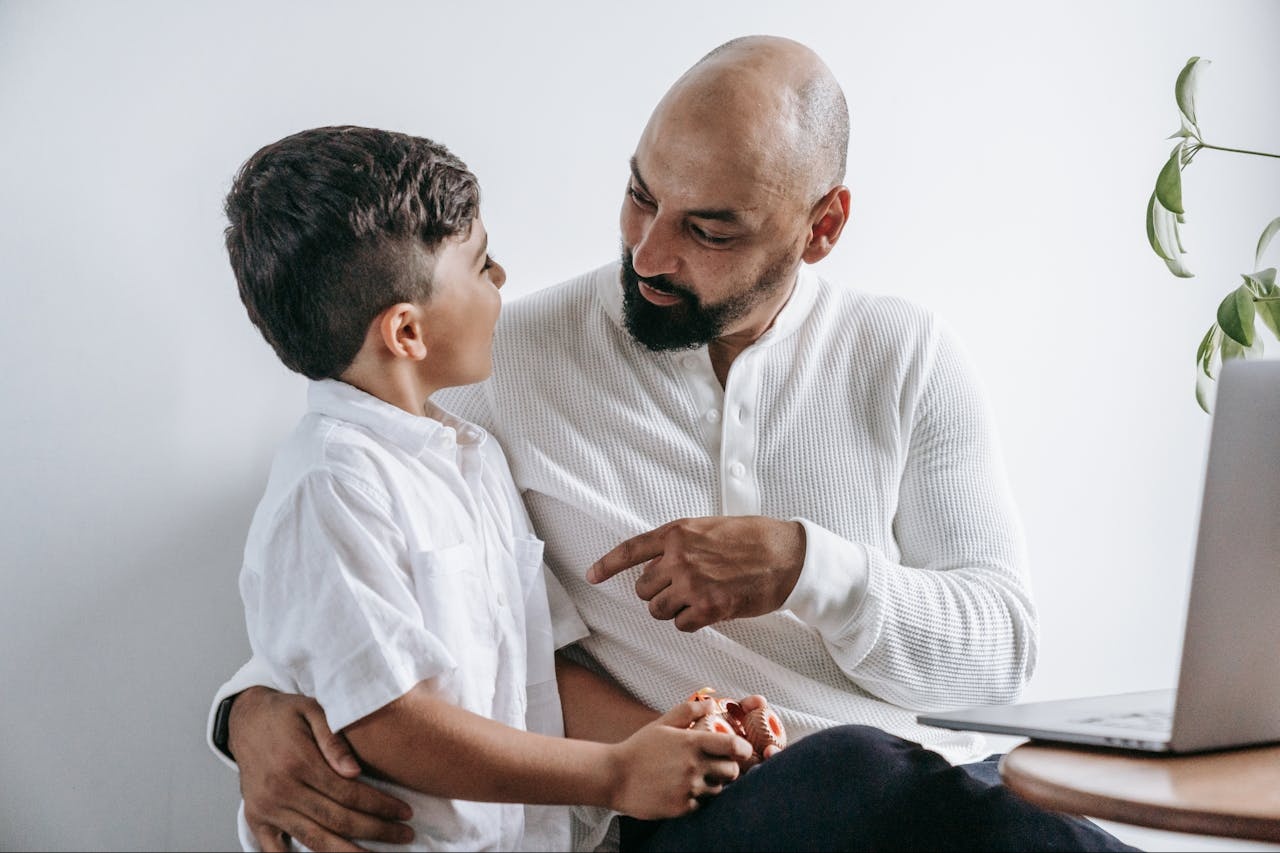
In today’s world of packed schedules and constant stimulation, children are experiencing stress and anxiety in ways that can leave parents wondering how to best support them. Mindfulness helps them notice what’s happening in their bodies and around them with curiosity rather than judgment. Think about the times your child becomes completely absorbed while building with blocks or watching a caterpillar inch across a leaf. That focused presence is mindfulness in action.
Research in neurobiology shows that these practices shape how the developing brain responds to stress. When children learn to pause and notice their experiences, they’re building neural pathways that support emotional regulation throughout their lives.
Why Mindfulness Matters
Practicing mindfulness with your child creates meaningful changes that extend far beyond the moment. These benefits build on each other, strengthening both your relationship and your child’s capacity to navigate challenges.
Building Emotional Awareness Together
When you practice mindfulness alongside your child, you’re doing more than teaching a technique. You’re creating space for connection during emotional moments. Instead of immediately trying to fix or stop uncomfortable feelings, mindfulness helps both of you recognize that feelings come and go like waves. Your child learns that big emotions won’t last forever, and your calm presence while they experience those feelings strengthens the secure attachment that makes all learning possible.
Strengthening Focus Through Play
Attention isn’t something children develop in isolation. It grows through playful practice and relationship. When you engage in mindfulness activities together, your child’s ability to focus naturally strengthens. This enhanced concentration often manifests in improved homework completion, better listening, and greater persistence when tasks become challenging. The key is that this growth happens through connection, not pressure.
Calming the Nervous System
Children’s stress responses are easily activated, and their developing brains lack the regulatory capacity that adults possess. This is where you come in. When you help your child practice simple breathing techniques or grounding exercises, you’re offering co-regulation. Your regulated nervous system helps calm theirs. Over time, children internalize this capacity and can access these calming strategies on their own. This is particularly important for children who’ve experienced anxiety or trauma, as mindfulness practices offer a sense of safety and control.
Mindfulness Activities You Can Try Together
These activities work best when approached playfully and practiced during calm moments, so they become familiar tools your child can draw on when emotions run high.
Breathing Games
Turn belly breathing into a shared game by placing a favorite stuffed animal on your child’s stomach as they lie down. Watch together as the animal rises and falls with each breath, perhaps imagining you’re rocking it to sleep. For five-finger breathing, trace your child’s hand with your finger while you both breathe together. Move up one side as you inhale, down the other as you exhale. The physical touch, combined with the breathing, creates a connection while teaching the skill.
Sound Adventures
Make listening into a playful challenge. Sit together and close your eyes, seeing who can identify the most sounds: the hum of the refrigerator, a bird outside, a distant car. This “sound safari” turns mindfulness into a game while strengthening your child’s ability to focus attention. You might try the listening game with a small bell or chime, seeing how long you can both hear the vibration after it’s struck.
Mindful Movement Play
Movement comes naturally to children, making it an ideal gateway to mindfulness. Try going on a “noticing walk” together, where you both pay attention to how your feet feel as they touch the ground with each step. Make it playful by walking like different animals and describing the sensations you experience. Practice stretching together, perhaps pretending to be cats waking up from a nap or trees growing tall.
If you’re finding that your child’s big emotions or difficulties with focus persist despite your best efforts, or if you’d like support in building these skills together, child therapy can help. Book a consultation today.