
Recognizing Depression in Children — and What to Do About It
When your normally cheerful child becomes withdrawn, or your easy-going little one turns increasingly irritable, you might wonder if it’s just a phase. Unlike adults who might say “I feel depressed,” children under 12 rarely have the vocabulary or self-awareness to articulate complex emotions. Instead, their struggles often surface through behavior changes, physical complaints, and shifts in how they play and interact with others.
From a neurobiological perspective, children’s developing brains process emotions differently than adult brains. The emotional regulation centers are still forming, which means depression can affect not just mood, but a child’s entire way of experiencing and responding to their world. This is why recognizing depression in children requires looking beyond obvious sadness.
Critical Warning Signs Parents Should Monitor
The Often-Missed Sign: Irritability
While we typically associate depression with sadness, increased irritability is actually one of the most common yet overlooked symptoms in children. If your child has been unusually short-tempered or angry for weeks, this could indicate depression rather than just a difficult phase. This persistent irritability goes beyond normal tiredness or stress responses.
Physical Complaints Without Medical Cause
Children experiencing depression frequently develop somatic symptoms: physical problems with no identifiable medical cause. If the school nurse reports your child visits with stomachaches every day during math class, or if headaches coincide with social situations, these patterns deserve attention. These aren’t imaginary symptoms; emotional distress genuinely manifests physically in children’s bodies.
Changes in Play Patterns
Watch how your child plays. Depression often reveals itself through play that becomes repetitive, focuses on sad or destructive themes, or disappears altogether. Since play is how children naturally process experiences and emotions, significant changes here are particularly concerning. A child who stops engaging in imaginative play or loses interest in beloved toys may be struggling emotionally.
School and Social Withdrawal
Depression can impact academic performance and peer relationships. You might notice:
- Declining grades or difficulty concentrating
- Frequent school absences
- Avoiding friends or birthday parties
- Extreme sensitivity to rejection or failure
- Little interest in maintaining friendships
- Sleep and appetite Disruption
Major changes in sleeping patterns (excessive sleep or insomnia) can signal depression. Similarly, significant shifts in eating habits, whether eating very little or seeking comfort in food, warrant attention. These changes lasting more than two weeks are particularly concerning.
How to Help
Start with Connection
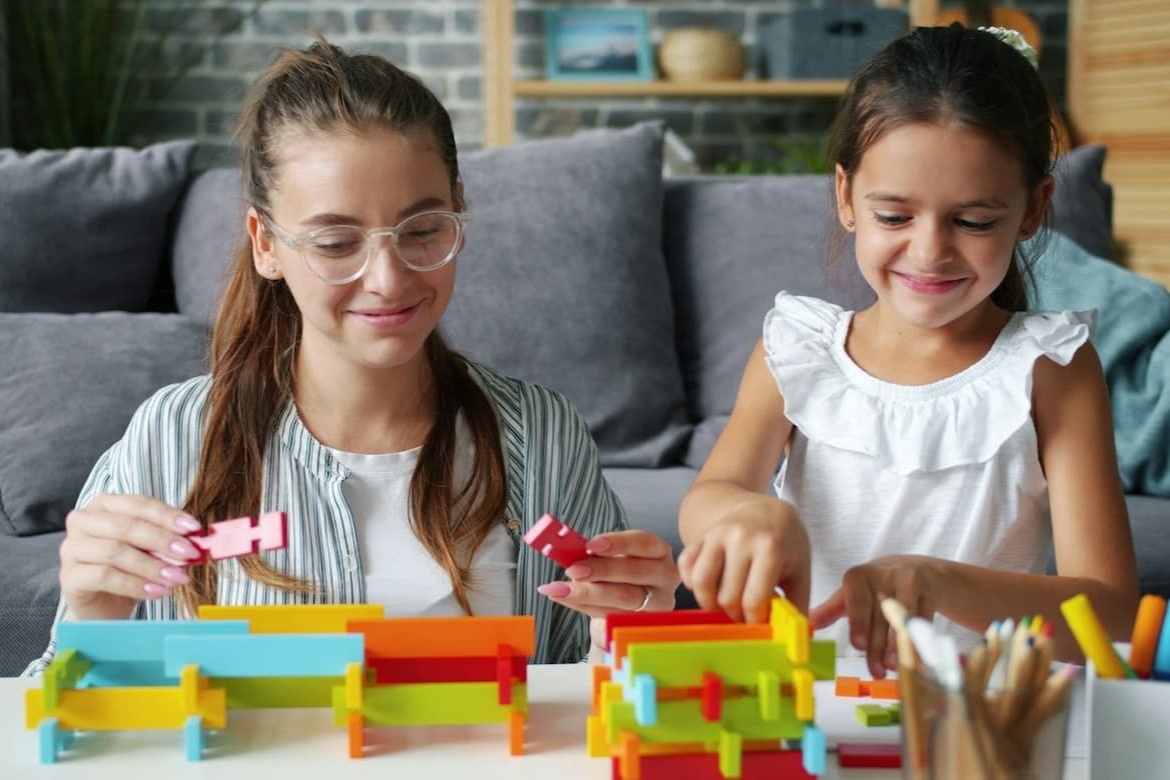
Create regular opportunities for emotional check-ins without pressure. Engage in activities your child enjoys, like drawing, building, or walking, where conversation flows naturally. Children often share more during parallel activities than during direct questioning. When your child does open up, validate their feelings before trying to fix them. Sympathizing and validating shows you’re a safe person with whom they can share difficult emotions.
Maintain Structure While Staying Flexible
Consistent routines provide security for children struggling with depression. Keep regular bedtimes, mealtimes, and family rituals. Build in daily one-on-one connection time, even just 10 minutes of focused attention. This predictability helps counteract the chaos depression creates internally.
Engage Other Supportive Adults
Talk with teachers, coaches, and other adults in your child’s life. Ask if they’ve noticed mood or behavior changes. Their observations can provide a valuable perspective on whether struggles are situation-specific or more pervasive.
Use Play Therapeutically
Follow your child’s lead, reflect what you observe (“Your doll seems very upset”), and stay present without trying to direct the narrative. This approach allows children to process emotions through their natural medium of expression. While you don’t need to be a therapist to use play helpfully, seeking the assistance of someone who specializes in play therapy may help draw your child out of depression.
There Is Hope
Children’s brains have a remarkable capacity for healing, especially with early intervention and consistent support. Your attentive presence, combined with professional help when needed, creates the foundation for recovery. Depression in childhood is treatable. Contact us to learn more.